We start by reducing the base load a home or facility draws, then size clean generation and local storage to what remains. Each step makes the next one smaller, simpler, and easier to maintain.
Conserve
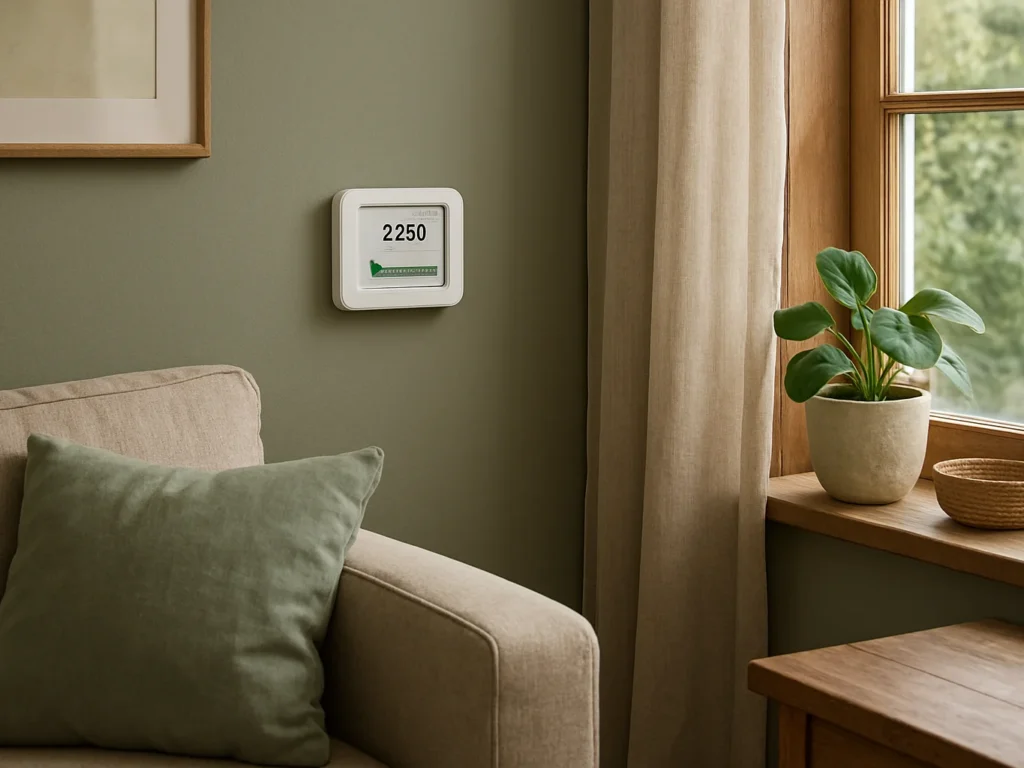
Reduce base load first
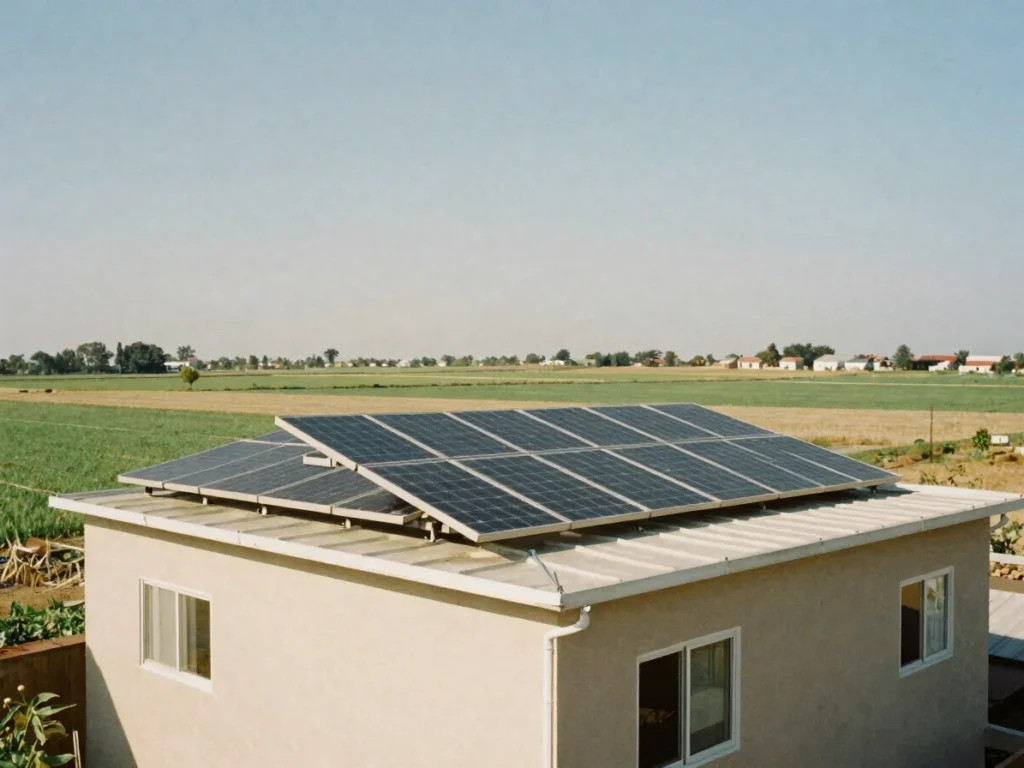
Generate
Distributed solar, wind, micro-installations
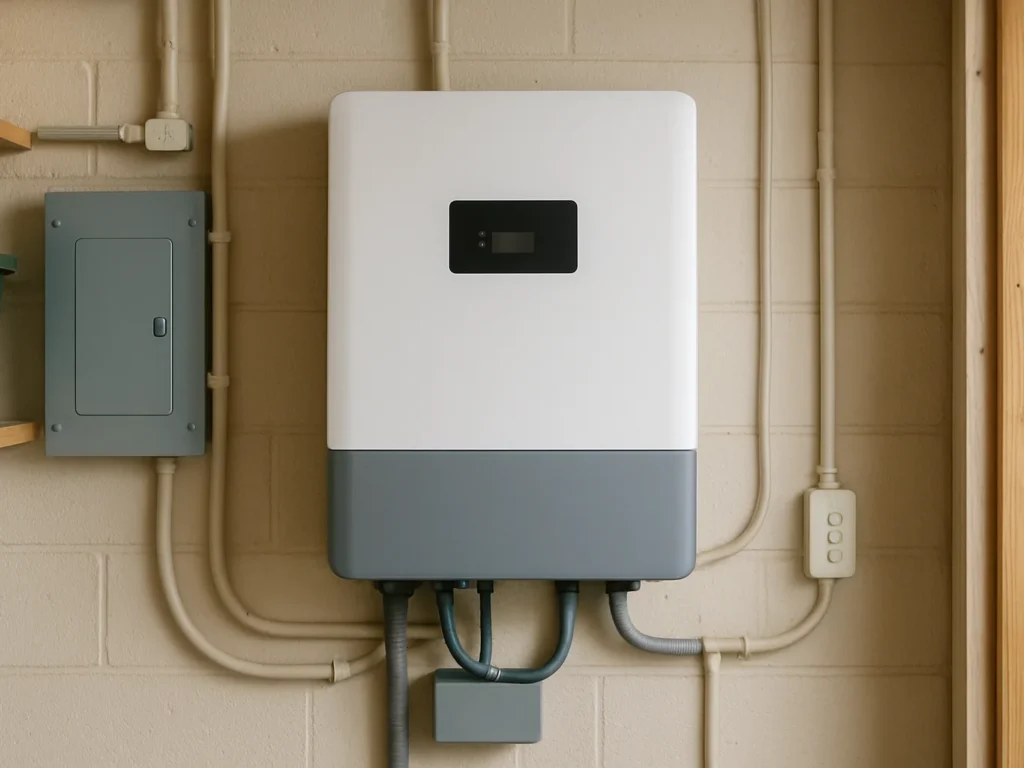
Store
Safeguard supply and coordinate surplus
Solution paths
How each layer works
Energy conservation
Lower the base load
Efficiency measures and smarter daily use reduce how much energy a household needs before any generation equipment is sized. A smaller demand means a smaller, more affordable system.
Clean generation
Generate close to home
Distributed solar, small wind, and local micro-installations produce electricity where it is used. Systems are matched to the site so the output fits the reduced demand rather than an assumed one.
Localized storage
Store for steady supply
Battery storage keeps household supply steady through variable weather and load, and coordinates any surplus that can be shared. Storage is sized to the realistic daily cycle of the site.
Implementation
From assessment to surplus
01
Assess the site
We review existing consumption, building fabric, and site conditions to establish the true base load.
02
Reduce demand
Conservation measures are agreed first, so generation and storage are sized to a smaller, verified need.
03
Size generation
Distributed solar, wind, or micro-installations are matched to the site and the reduced demand profile.
04
Add storage
Local battery capacity is specified around the daily cycle to safeguard household supply.